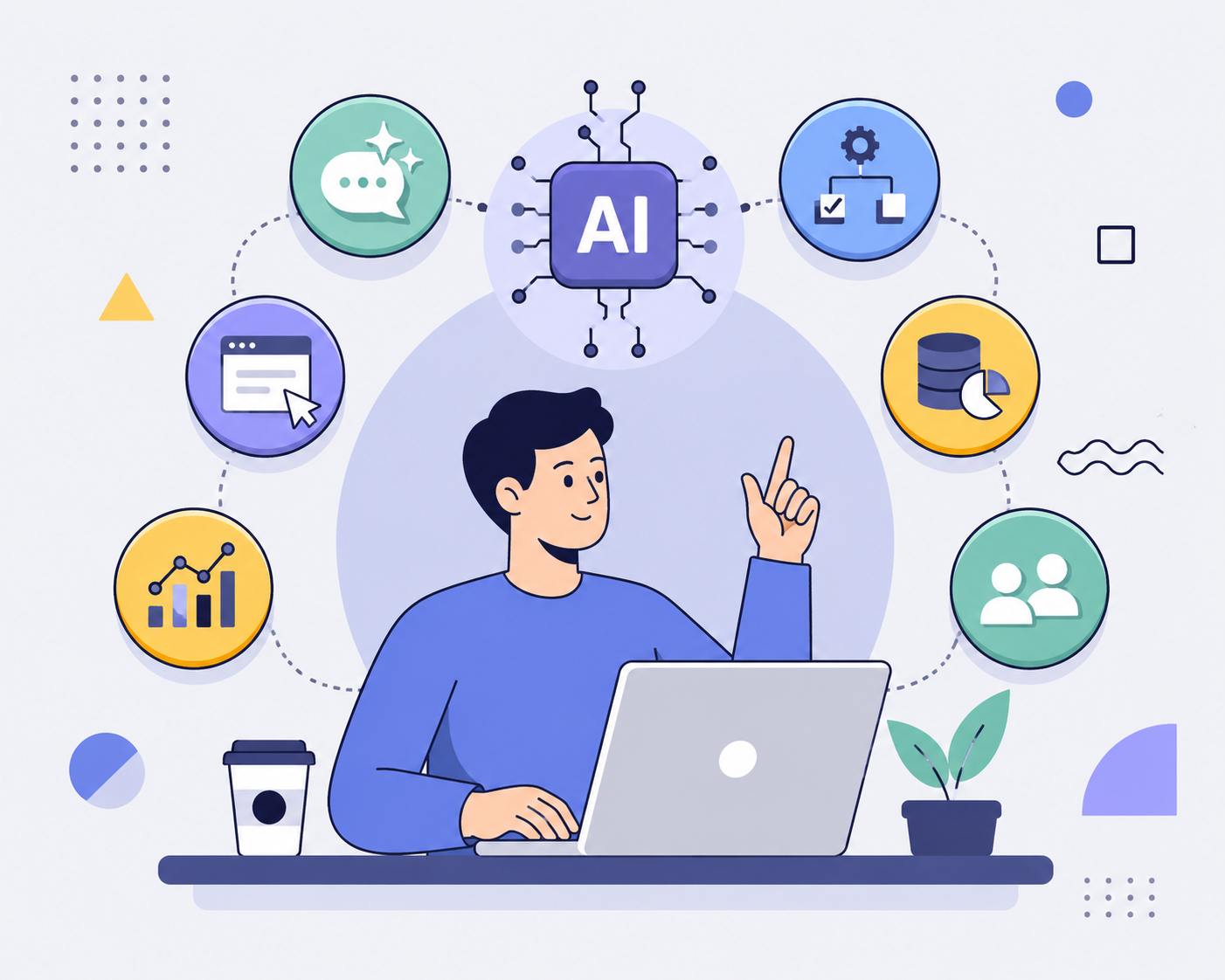
The hiring market in the second half of 2026 (H2 2026) is showing a much more cautious sentiment compared to the first half. Instead of blindly expanding recruitment volume, companies are focusing on a 'Hiring Efficiency' strategy—selecting the exact talent they need.
In particular, the proliferation of AI technology, a heightened focus on cost efficiency, and skills-first evaluations are transforming the entire recruitment landscape. Aligning with global standards, here are the top 10 key hiring trends to watch in H2 2026.
Top 10 Hiring Trends to Watch in H2 2026
1. AI-Driven Recruitment Becomes the Standard Process
AI-powered hiring has shifted from an experimental trial by a few companies to a mainstream business practice. Companies are leveraging AI to automate the following tasks to accelerate their hiring speed:
Resume analysis and summarization
Matching candidates with Job Descriptions (JD)
Generating interview questions and summarizing interview transcripts
Recommending top-priority candidates and drafting job postings
Note: While AI drastically boosts initial screening speed, final decision-making still rests in the hands of recruiters and hiring managers.

2. The Expansion of Skills-First Hiring
The shift toward evaluating actual job performance capability over traditional credentials—like academic degrees or years of service—has become firmly established. Companies are placing greater emphasis on:
Project experience and portfolios
Job-related certifications and practical task execution
Problem-solving abilities and collaboration experience
Candidate Tip: Instead of merely listing past job titles, it is crucial to craft a resume focused on specific achievements and projects that showcase your actual 'skills'.
3. Behavioral Interviews and the STAR Method
To validate skills-first hiring, 'Behavioral Interviews' have become the norm, especially among global companies. This approach predicts future performance by evaluating a candidate's past behavior.
Common Question Format:
"Can you share a specific experience where you faced a conflict with a team member or solved a highly complex problem?"
Strategy for Success: Candidates must structure their answers using the STAR method to get their competencies recognized:
Situation: The context of the situation
Task: The core challenge or objective
Action: The specific actions you took
Result: Quantifiable outcomes and lessons learned
4. ATS-Optimized Resumes: A Necessity, Not an Option
Many companies utilize an ATS (Applicant Tracking System) to filter applications in the initial round. In H2 2026, an increasing number of candidates are proactively writing resumes with AI and ATS in mind from the start. An effective resume typically features:
Inclusion of core job-specific keywords
A clean, easy-to-read structure with minimal tables or graphics
Standard section headings and quantified achievements
5. Global Standard: Stricter DEI (Diversity, Equity, & Inclusion) Guidelines
Global enterprises are investing massive resources into eliminating bias (gender, race, age) when implementing AI recruitment systems.
As a result, completely omitting personal information irrelevant to the job—such as photos, age, gender, marital status, and family relations—from the resume has firmly established itself as the global standard for blind recruitment.
6. Strengthening Data-Driven Hiring Decisions
Companies no longer rely on gut feelings to evaluate hiring outcomes. A growing number of organizations analyze recruitment data to optimize their processes, adjusting their strategies based on the following key metrics:
Time to Hire (Time elapsed to fill a role) / Cost per Hire (Total recruitment cost per individual)
Interview-to-Offer Rate (Percentage of interviews leading to an offer)
Offer Acceptance Rate (Percentage of offers accepted by candidates)
Quality of Hire (The long-term value and retention rate of new hires)
7. Candidate Experience as a Competitive Advantage
Top-tier talent often receives multiple offers simultaneously. Consequently, the 'experience' a candidate goes through during the hiring process has become a critical differentiator. Companies are actively improving:
Streamlined application processes and rapid interview scheduling
Swift notification of results and transparent hiring timelines
Polite, proactive communication and constructive feedback, even for rejected candidates
8. AI Proficiency as a New Job Competency
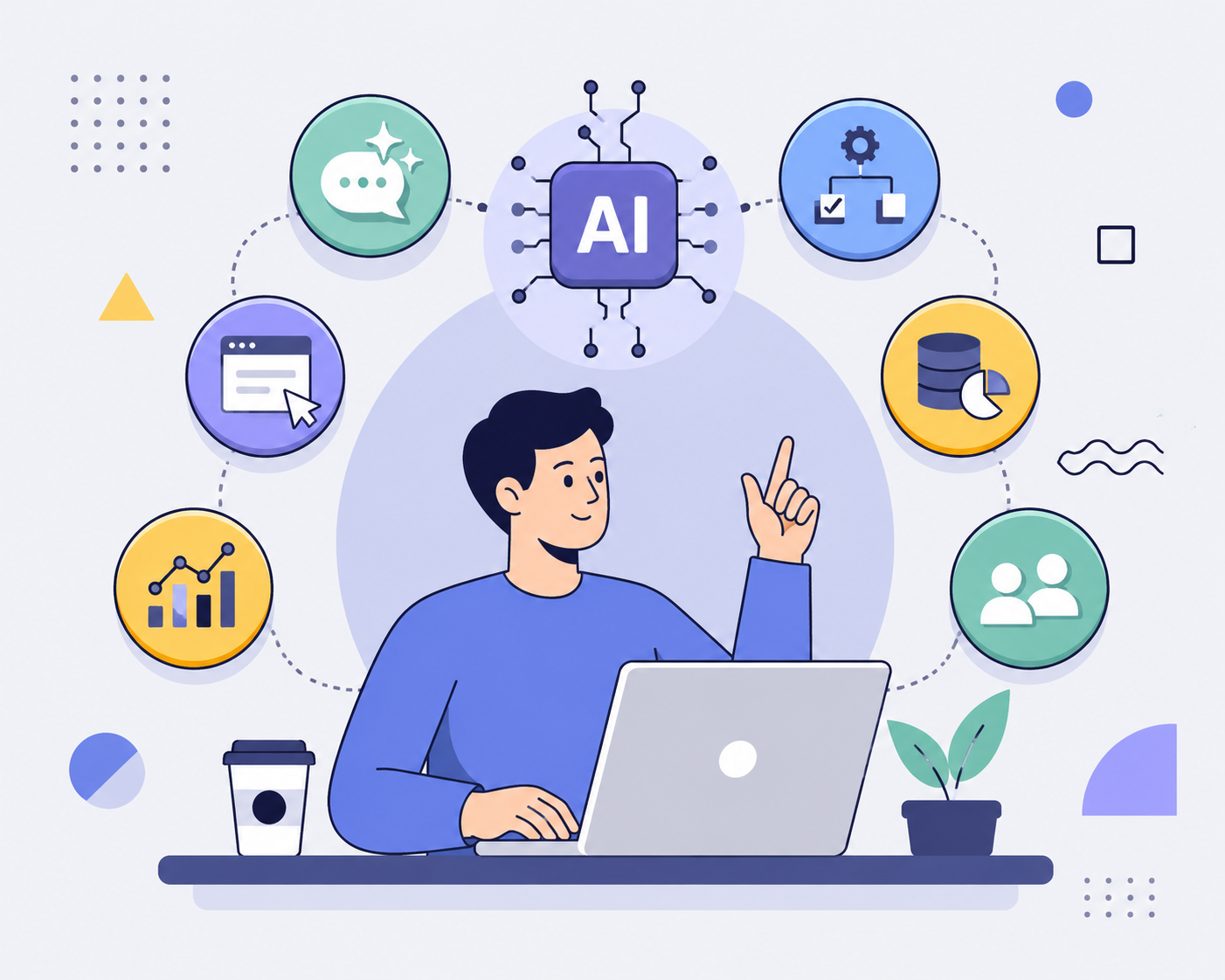
In many roles, how effectively you can utilize AI is now a core evaluation factor. Organizations seek talent who view AI not as a replacement, but as a tool to maximize productivity.
Generative AI proficiency and prompt engineering skills
Experience in AI-driven task automation
Data literacy and mastery of digital collaboration tools
9. The Growing Impact of Employer Branding and Company Culture
Securing top-tier talent through salary and benefits alone is becoming increasingly difficult. Candidates actively vet a company's culture and growth potential before joining. To address this, companies are ramping up employer branding efforts by:
Creating dedicated recruitment content and publishing employee interviews
Running tech blogs and introducing organizational culture/welfare programs
10. Searching for the Right Fit: 'Hire Less, Retain Longer' (Quality of Hire)
The core essence of H2 2026 is the undeniable shift from hiring volume to hiring quality. Rather than short-term headcount filling, companies are looking for talent who can contribute long-term (Retention), evaluating growth potential and cultural fit (Culture Fit) more rigorously than ever before.
Conclusion
The ultimate keywords for the H2 2026 job market are AI, Skills-First, the STAR Method, DEI, and Hiring Efficiency.
Companies aim to secure the best-fit talent with less time and cost, while candidates must prove their practical edge through ATS-optimized resumes and behavioral interviews (STAR). Ultimately, the benchmark for a company's recruitment success is no longer how many applicants they attract, but "how quickly they can hire the most qualified talent without bias."